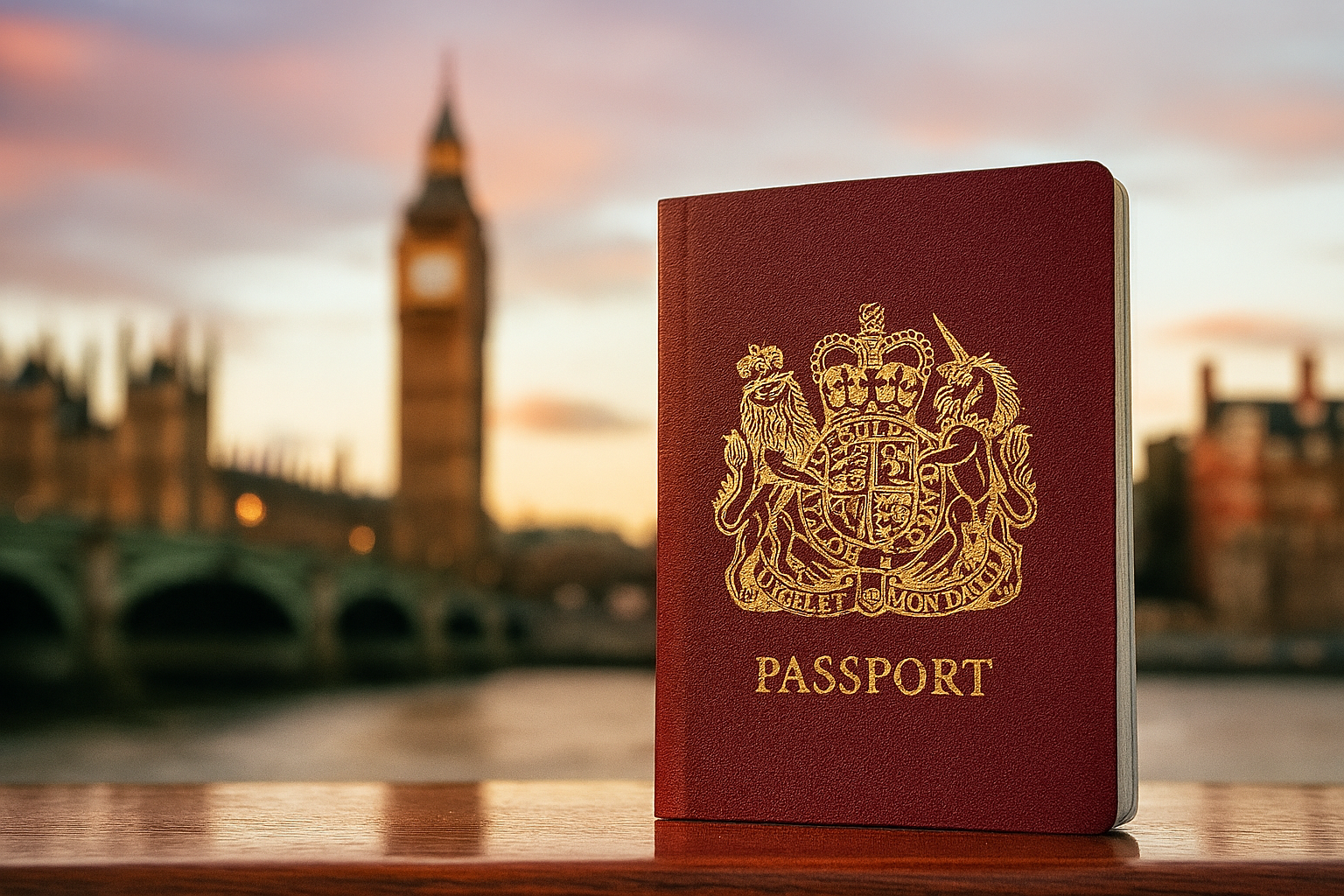
UK Introduces Tougher Visa and Immigration Rules: What Students and Travelers Should Know
The government of the UK is approaching the issue of immigration much more stringently under Prime Minister Keir Starmer. Home Secretary Shabana Mahmood introduced a range of significant political reforms in the Parliament, which is an evident shift towards more stringent border control and accelerated deportations.
A Trump-Style Visa Ban of Non-Cooperative Nations
Following the announcement of the new measures, Shabana Mahmood opined that the UK will place a Trump-like visa ban on any nation that refuses to receive its criminals or illegal immigrants. She explained that this would not be the end of the reforms, as there would be more reforms to come to seal loopholes and prevent misuse of the immigration system.
Countries Already Targeted for Visa Restrictions
The initial countries that have to bear these restrictions are:
- Angola
- Namibia
- Congo Democratic Republic.
Citizens of these nations will remain unable to be processed for a visa unless their respective governments cooperate more with the procedures of deportation in the UK. According to the Home Office, these countries have not been very supportive in verifying identities, issuing travel documents, and returns. This has led to the presence of thousands of criminals and illegal migrants who are of these countries in the UK with no apparent way of being deported.
It is also reported that India might be included in the list next year, as long as India fails to improve on repatriation acceptance. India has already been put on its toes over the delay and low rate of cooperation when it comes to paperwork on deportation.
Overhauling Human Rights Laws to Strengthen Deportations
A significant portion of the reform is on reducing delays associated with legal obstacles. Non-cooperation may take the form of:
- Slowing down of document verification in embassies.
- The denial of identities.
- Obligating migrants to sign meaningless documents.
To overcome this, the government will amend some sections of the UK Human Rights Act. Those who are to be deported are to be deported more easily, and migrants should not be allowed to use procedural means to delay their deportations.
Tighter Rules on Article 8 and Legal Appeals
The other important reform is directed at Article 8, which guards the right to family and the right to personal life. Courts will now have a limited definition of family. Only immediate relatives will be eligible, parents and children. This removes a loophole that has been used in claiming residency by having far or weak family ties.
There will also be an obligation to make all the legal arguments that the migrants will be required to make in one appeal. After dismissal, they are required to vacate the country without any second chances of being able to postpone the removal.
Other Measures that are probable to emerge
Among the additional reforms that are being implemented by government officials, there are:
- Quicker handling of in-claims.
- Tighter controls at visa processing offices.
- Increased biometric application in identity checking.
- Stiffer fines for extending visas.
- Intelligence sharing agreements with new European partners.
Collectively, the policies can be seen as one of the most stringent immigration enforcement measures in the UK in recent times.
What This Means for Students and Visitors
To the genuine students, hard-working immigrants, and legal travelers, the UK is still open; however, the surroundings are increasingly controlled. The time during which visas are processed can vary according to diplomatic relations with certain nations. To prevent any delays, the applicants are advised to be careful with their documents and hand them in early enough.